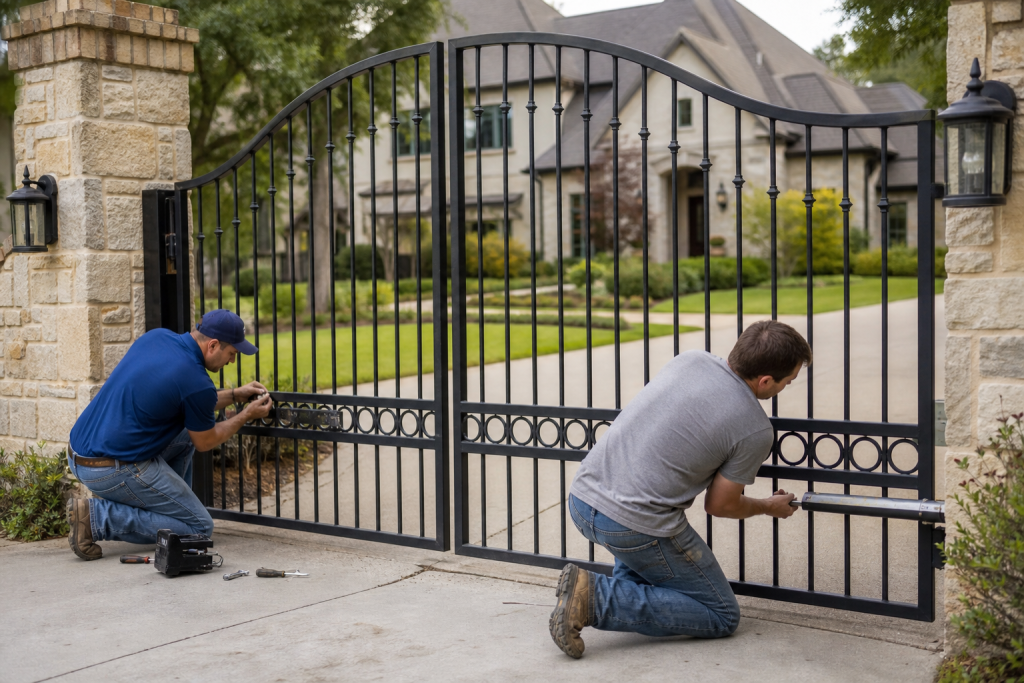
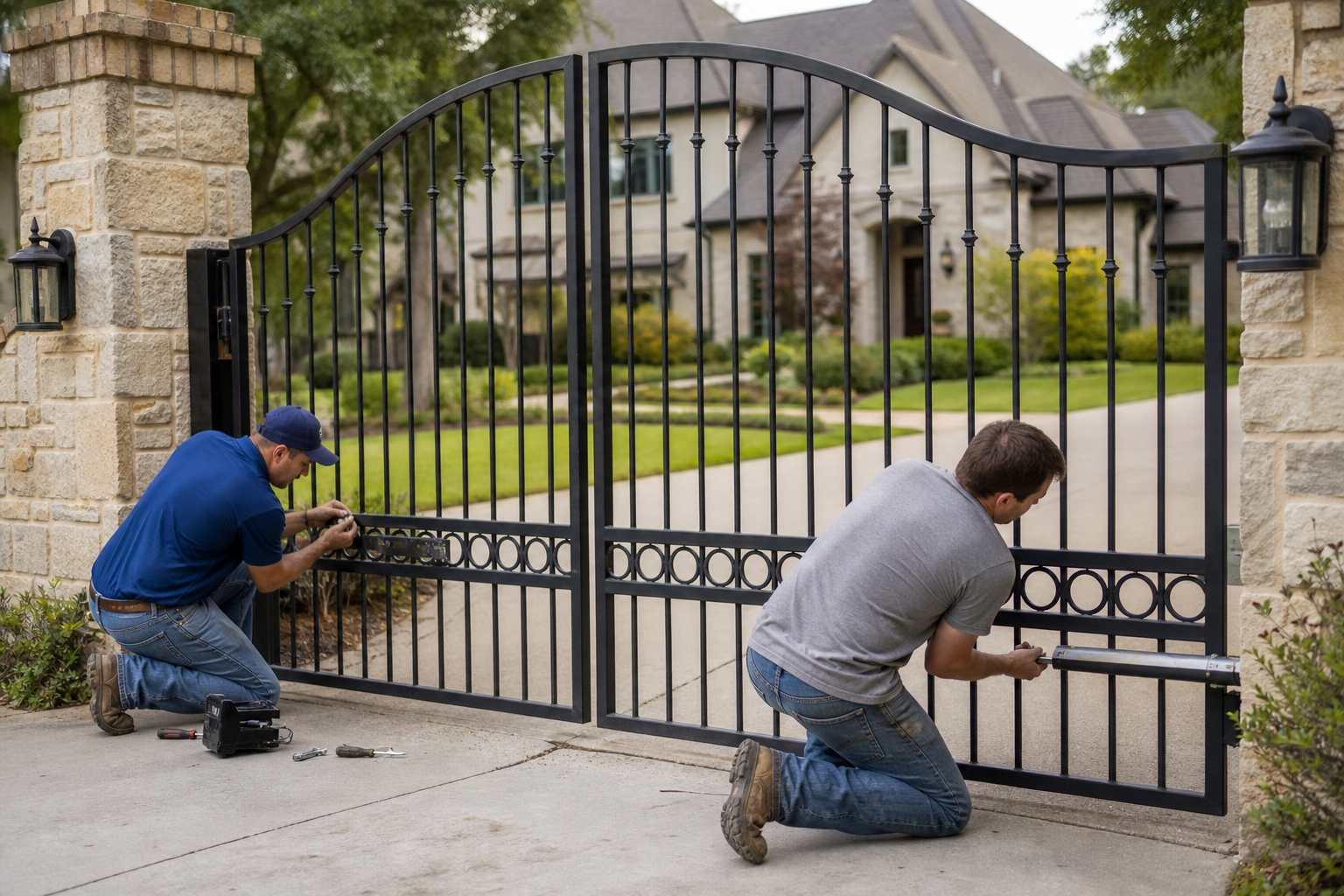
DIY vs. Professional Gate Repair: What Dallas Homeowners Should Know
A gate operator runs on 24V logic but connects to 120V line power — and the homeowner who confidently replaces a control board from a YouTube tutorial is one wiring mistake away from frying a $600 operator, voiding every warranty, and creating a UL 325 safety violation. For most Dallas homeowners, the question of DIY gate repair versus hiring a professional isn’t about whether you *can* turn a wrench, but rather understanding the complex electrical systems, safety regulations, and potential warranty pitfalls involved. We’ve seen too many cases where a seemingly simple DIY fix in neighborhoods like Preston Hollow or Oak Cliff turned into a much costlier repair due to an overlooked detail.
Deciding whether to tackle a gate repair yourself or call an expert like All Star Gate Repair Dallas can save you money, but it can also lead to bigger problems if you’re not careful. It’s a balancing act between cost savings and ensuring your gate operates safely and reliably. If you’re already leaning towards professional help, we offer free estimates and can be reached at (940) 326-5404.
What Gate Repairs Can You Safely Tackle Yourself in Dallas?
When it comes to your automated gate system, there are a few basic maintenance tasks that most Dallas homeowners can handle themselves without risking safety, voiding warranties, or causing further damage. These are typically tasks that involve minimal electrical components and don’t affect the critical safety features of the gate operator. Think of it as regular tune-ups that keep things running smoothly between professional service calls. For instance, keeping the tracks clear of debris is crucial. We often find that a simple obstruction, like a stray rock or overgrown shrubbery, is the culprit behind a gate that’s struggling to close properly in areas like the Park Cities.
Here’s a breakdown of what’s generally considered safe DIY territory for your Dallas gate:
- Lubrication: Applying a silicone-based lubricant to the hinges, rollers, and any moving metal parts can significantly reduce wear and tear and prevent squeaking. This is especially important in Dallas’s variable weather, where temperature fluctuations can affect metal components.
- Cleaning: Regularly cleaning the gate tracks and ensuring they are free from dirt, leaves, and other debris is vital. A clogged track can strain the motor. Similarly, wiping down photo-eye lenses with a soft cloth helps ensure they can detect obstructions reliably.
- Battery Backup Testing: If your gate operator has a battery backup system, testing it periodically is a good idea. This ensures that your gate will still function during a power outage, a common occurrence in Dallas during storms. Check your owner’s manual for specific testing procedures for your LiftMaster, FAAC, or other brand.
- Remote Re-pairing: Sometimes, gate remotes can lose their connection to the opener. Many manufacturers, including Viking and Ghost Controls, provide simple instructions for re-pairing your remote.
- Visual Inspection: Simply walking around your gate and looking for any obvious signs of damage, loose bolts, or worn components can help you catch minor issues before they become major problems.
These are straightforward tasks that don’t require specialized knowledge and won’t put you in harm’s way or compromise the integrity of your gate system. They are preventative measures that can extend the life of your gate and its components.
Where DIY Ends: The Risks of Touching Dallas Gate Electronics and Safety Systems
While basic maintenance is manageable, the line between DIY and professional gate repair in Dallas gets very clear when you start looking at anything involving the gate operator’s internal electronics or safety mechanisms. This is where mistakes can be costly, dangerous, and void warranties. Your gate operator, whether it’s a LiftMaster, FAAC, BFT, or DoorKing system, is a sophisticated piece of equipment. It’s not just a motor; it’s a system designed with specific electrical tolerances and safety protocols that must be adhered to.
Here’s why you should leave these tasks to the professionals:
- Control Board Issues: The control board is the “brain” of your gate operator. It manages everything from opening and closing cycles to interacting with access control systems. A single misplaced wire or incorrect connection when trying to replace a faulty board can fry the entire unit. This is especially true for complex systems like those from BFT or Elite.
- Limit Switches: These switches tell the operator when the gate is fully open or closed. If they are not set correctly, the gate could over-extend, damage itself, or fail to stop at the proper point, creating an entrapment hazard.
- Entrapment Protection Devices: UL 325 is a critical safety standard for gate operators. Devices like photo eyes and safety edges are designed to detect obstructions and stop the gate. Tampering with, incorrectly installing, or misaligning these devices can create a serious safety risk for people and property, and it also violates safety codes. In Dallas, code compliance is taken seriously.
- Line-Voltage Connections: The main power supply to your gate operator is 120V AC. Working with high-voltage electricity is inherently dangerous. If you’re not properly trained and equipped, you risk severe electrical shock, fire, or damage to the operator and your home’s electrical system.
- Access Control Integration: Systems involving keypads, card readers, and intercoms often integrate directly with the control board. Troubleshooting these requires an understanding of how they communicate with the operator, which is beyond basic DIY.
Attempting repairs in these areas without the right knowledge and tools can lead to expensive collateral damage. We’ve seen gates in areas like Uptown where a DIY attempt on a control board resulted in needing a whole new operator, a repair that easily cost upwards of $1,500, not to mention the downtime and security risk.
The Warranty Void: How DIY Can Cost You More in the Long Run
One of the most significant, yet often overlooked, consequences of DIY gate repair in Dallas is the potential to void your manufacturer’s warranty. Most gate operators, whether from LiftMaster, FAAC, Viking, or any of the other major brands we service, come with a warranty that covers defects in materials and workmanship for a specified period. However, these warranties almost always have clauses that exclude damage caused by improper installation, repair, or modification by anyone other than an authorized technician.
When you open up an operator housing, tamper with internal wiring, or replace components yourself, you’re essentially signaling to the manufacturer that the system has been altered. Even if your DIY repair was technically correct and the problem was with the original unit, the manufacturer can deny a warranty claim if they determine the issue arose from unauthorized work. This is a crucial point, especially for newer gate systems installed in Dallas neighborhoods. For example, if your brand-new Elite gate opener malfunctions due to a manufacturing defect, but you’ve previously opened it up to “try and fix it yourself,” that warranty could be worthless.
Consider the cost math: a professional service call for a diagnosis and repair might cost a few hundred dollars. If that repair is covered under warranty, you pay nothing. However, if a DIY attempt voids the warranty on a $1,000+ operator, you’re now responsible for the full replacement cost, which can be significantly more than what a professional would have charged for the initial repair. We’ve seen this happen in areas like North Dallas, where homeowners try to save a few dollars upfront only to face a much larger bill down the line.
The Honest Cost Math: DIY Savings vs. Professional Expertise in Dallas
The decision to DIY or hire a professional for gate repair in Dallas often boils down to a cost-benefit analysis. While DIY might seem cheaper on the surface, it’s essential to look at the total potential cost, including the risk of making the problem worse. We’ve spent 16 years exclusively working on gate systems, and we’ve seen firsthand how a seemingly small DIY fix can lead to much larger, more expensive repairs.
Let’s break down the cost considerations:
- DIY Costs: When you do it yourself, your primary costs are the replacement parts and your time. A minor part, like a replacement roller or a battery backup, might cost $20-$100. However, if you misdiagnose the problem, you might buy the wrong part, wasting that money. Then there’s your time, which has value. If you spend half a day troubleshooting only to discover you need a professional anyway, that’s time you can’t get back, and you’ve still got the original problem.
- Professional Costs: A professional service call typically includes a diagnostic fee and the cost of parts and labor. For a straightforward repair in Dallas, this might range from $150 to $400, depending on the complexity and parts needed. This fee covers the technician’s expertise, specialized tools, and the assurance that the repair is done correctly and safely.
- The Collateral Damage Factor: This is where DIY can become prohibitively expensive. If a DIY attempt on a control board results in frying the motor or damaging other components, the repair cost can skyrocket. We once encountered a situation in Richardson where a homeowner tried to bypass a faulty safety sensor. The result? The gate slammed shut on a car, causing thousands of dollars in damage to both the gate and the vehicle. The initial problem likely would have been a $200 repair.
At All Star Gate Repair Dallas, we pride ourselves on providing accurate diagnoses and upfront pricing. We understand that budget is a concern for Dallas homeowners. That’s why we aim to fix issues efficiently the first time, preventing the costly snowball effect that can occur with DIY attempts. For instance, if your FAAC or Mighty Mule operator is acting up, we can often identify the precise issue and provide a clear quote, saving you from potentially buying unnecessary parts or causing further damage.
How to Be a Helpful Participant in Your Gate Repair Without Doing the Work
Even if you decide that a specific gate repair is beyond your DIY comfort zone, you can still be an incredibly valuable asset to the professional technician who comes to your Dallas home. By preparing information beforehand, you can significantly speed up the diagnostic process, potentially reducing the overall service time and cost. Think of yourself as the initial investigator, gathering crucial clues for the expert. This collaborative approach ensures the repair is as efficient and accurate as possible.
Here’s how you can help:
- Document Everything: Before the technician arrives, take clear photos and videos of the gate and the problem area. If the gate is making a strange noise, record it. If you noticed a specific part that looks damaged, get a close-up shot. This visual evidence can often provide a technician with valuable initial insights.
- Note Down Symptoms: Write down exactly what happened, when it happened, and any specific circumstances surrounding the issue. For example, “The gate stopped closing yesterday afternoon after a strong gust of wind,” or “The opener started making a grinding noise this morning when I tried to open it.” The more specific you are, the better.
- Identify the Brand and Model: Knowing the brand of your gate operator (e.g., LiftMaster, Linear, DoorKing) and, if possible, the model number, is extremely helpful. This information is usually found on a label on the operator itself. It allows the technician to prepare for potential issues specific to that brand.
- Keep a Service Log: If you’ve had previous repairs or maintenance done, having a log of that information can be useful. It helps the technician understand the gate’s history and avoid repeating previous fixes unnecessarily.
- Be Present and Available: When the technician arrives, be available to answer their questions and demonstrate the problem. Your direct observations are invaluable.
By providing this detailed information, you empower the technician to diagnose the problem more quickly and accurately. This means less guesswork and a more efficient repair process, ultimately saving you time and money. It’s about working together to get your gate back in perfect working order.
The Bottom Line
For Dallas homeowners, the decision between DIY and professional gate repair hinges on a clear understanding of the risks involved. While simple lubrication or debris clearing can be handled by anyone, tasks involving electrical components, safety sensors, or delicate internal mechanisms are best left to seasoned professionals. Attempting complex repairs yourself can lead to voided warranties, safety hazards, and significantly higher costs due to collateral damage. At All Star Gate Repair Dallas, we bring 16 years of exclusive gate system expertise, focusing on diagnosing and fixing issues correctly the first time. We’re familiar with the nuances of brands like FAAC, LiftMaster, and BFT, and our owner, Jason Robinson, is hands-on as Lead Technician, ensuring accountability and quality on every job.
If you’re in Dallas and need help with your gate, whether it’s a minor adjustment or a complex repair, All Star Gate Repair Dallas offers free estimates. Don’t risk further damage or safety concerns; call us today at (940) 326-5404.
Frequently Asked Questions
You can handle basic maintenance like lubrication and cleaning debris from tracks and photo-eyes. However, any work involving the control board, limit switches, or electrical connections should be done by a professional to avoid safety risks, voiding warranties, and costly damage. If you’re in Dallas and unsure, it’s always best to call a specialist.
The cost of gate repair in Dallas varies depending on the issue, but a typical professional service call for diagnosis and repair can range from $150 to $400. This price covers the technician’s expertise, tools, and labor. DIY attempts that lead to further damage can easily cost thousands more.
You should call a professional if your gate is exhibiting electrical problems, if safety sensors are malfunctioning, if there are issues with the control board, or if you notice any damage that involves complex mechanics or wiring. For any gate system from brands like LiftMaster, FAAC, or BFT, it’s wise to consult a specialist for anything beyond simple maintenance.
All Star Gate Repair Dallas is factory-familiar with and services nine major gate brands: LiftMaster, FAAC, BFT, Linear, Viking, Ghost Controls, DoorKing, Elite, and Mighty Mule. Our extensive experience with these brands allows for specific diagnostics rather than generic guesswork.
Reviewed by Jason Robinson, Owner & Lead Technician at All Star Gate Repair Dallas, serving Dallas since 2010.
Need Gate Repair Help?
Call All Star Gate Repair Dallas — licensed & insured, available 24/7 in Dallas.
(940) 326-5404